Which duvet for winter? Tog ratings explained simply
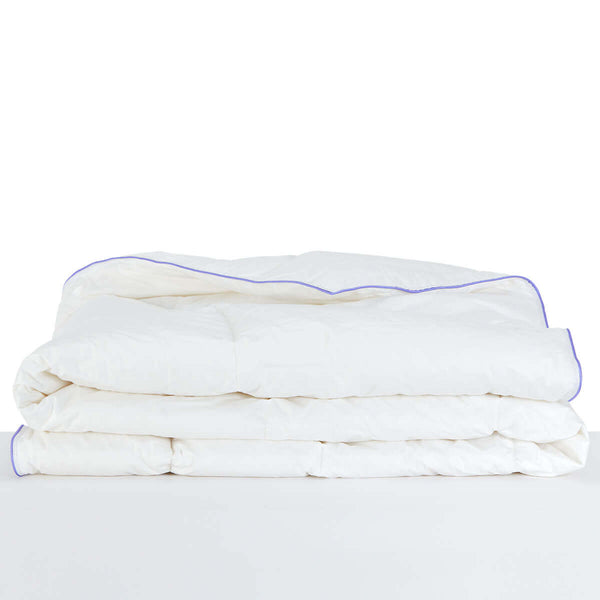
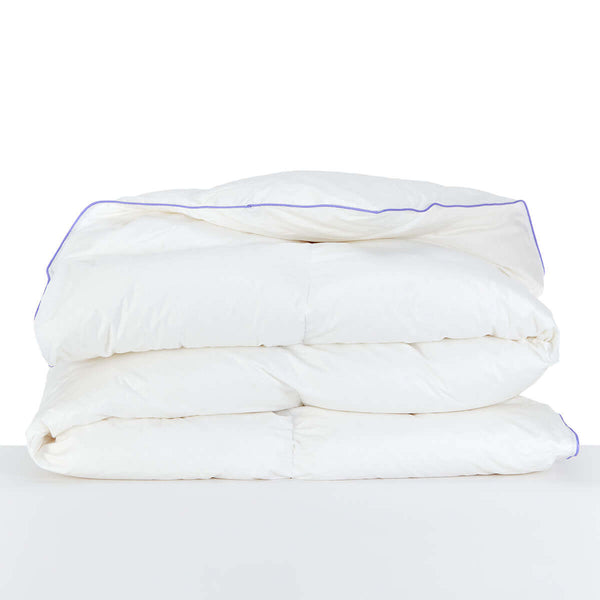
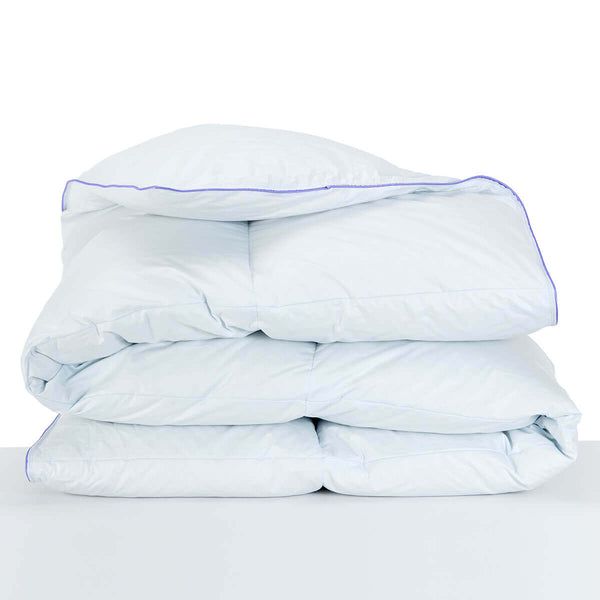
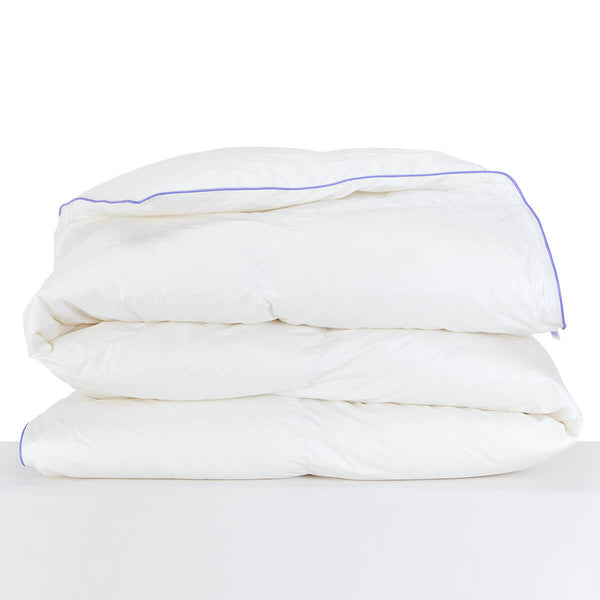
For winter, the Warm warmth rating is usually suitable. In very cool bedrooms below around 15°C or if you get chilly easily,...
By heat resistance class
According to budget
Popular Down Duvets
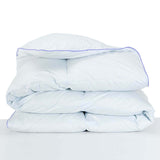 QUQON
Premium down duvet
from €179,00 RRP
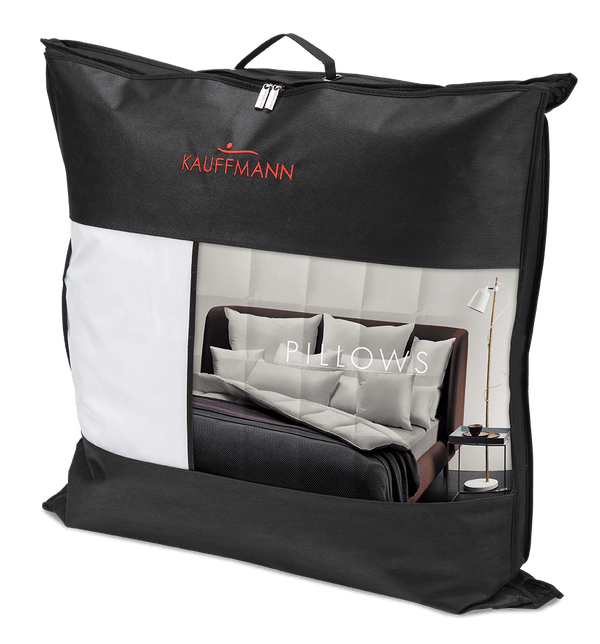
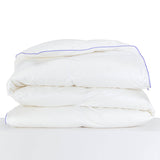
 KAUFFMANN
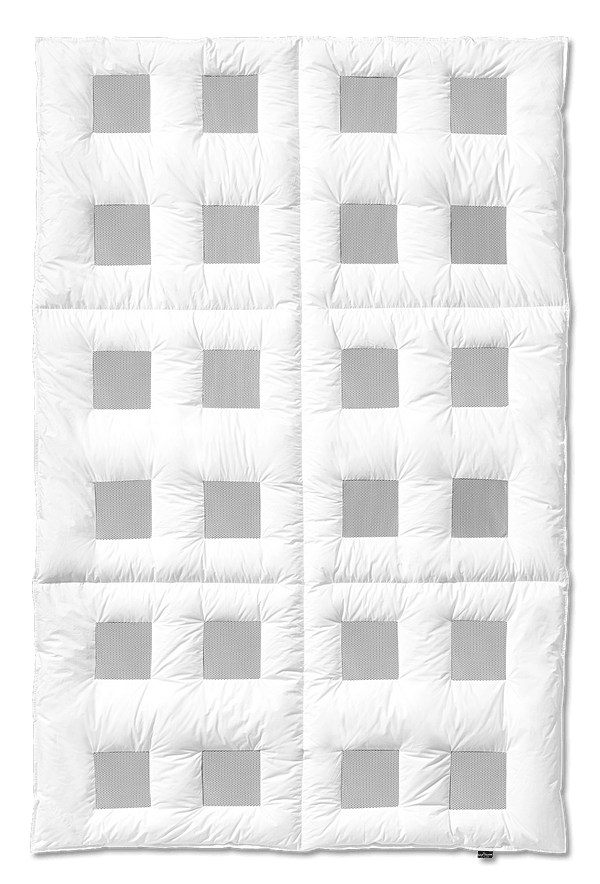
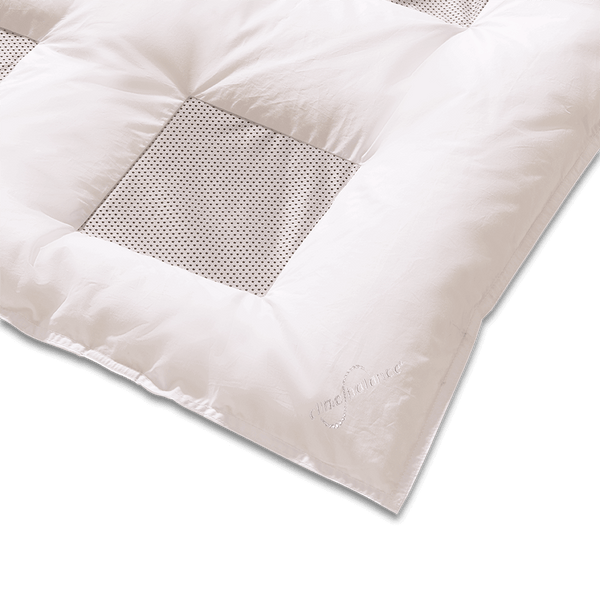
Climabalance© down duvet
from €249,00 RRP
 QUQON
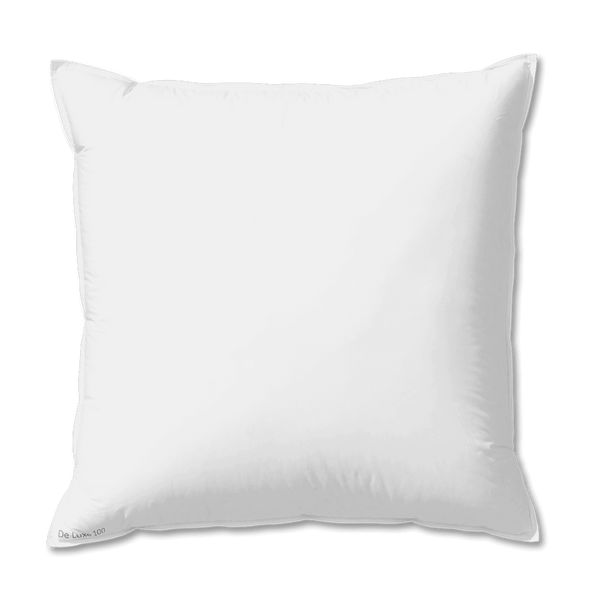
De Luxe down duvet
from €299,00 RRP
 Winter is down timeWarm blankets for cold nightsUp to 60% off RRP.View warm blankets
By sleeping position
According to budget
Popular Down Pillows
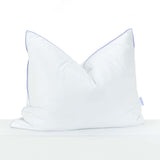 QUQON
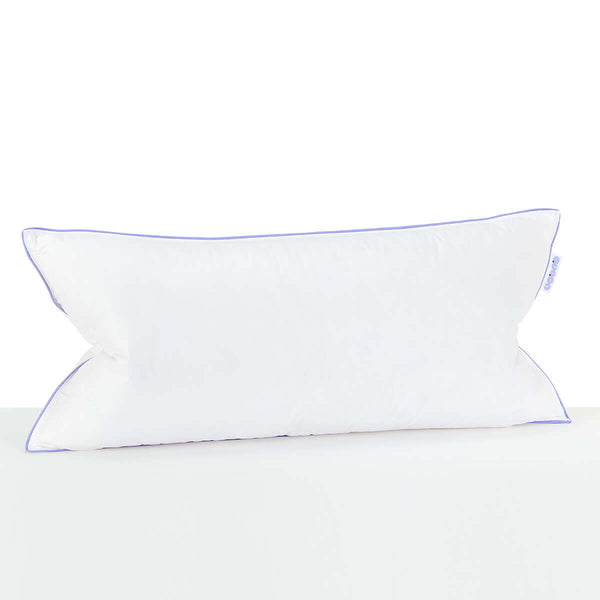
Premium down pillow
from €109,00 RRP
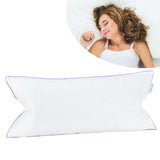 QUQON
Down pillow Nordic.Trio
from €58,99 RRP
 KAUFFMANN
Edition 3C Trio 3-chamber pillow
from €69,90 RRP
 In 3 clicksWhich pillow is right for you?The Down Finder recommends based on sleeping position.Launch Finder
The Down Encyclopedia explains every important term in one to three sentences: from loft and down class to baffle, baffle strip and mako batiste, as well as NOMITE and warmth rating. This will help you confidently interpret product specifications for down duvets and pillows and fairly compare models.

Product specifications for bedding are full of technical terms. Here you will find them sorted alphabetically and briefly explained. Many terms have a detailed article in the Down Wiki, which we link to each time.
The two outer chambers of a 3-chamber pillow. They are filled with down or a down-rich blend and provide a soft, snug surface.
Another word for fill power. This refers to the ability of down to fluff up again after being compressed and trap air.
A proprietary fabric of the manufacturer KAUFFMANN made of long-staple cotton. It is used as a cover fabric for many down duvets, for example for the QUQON Nordic and De Luxe.
Abbreviation for "cubic inch". This indicates the fill power, i.e. how much volume a certain amount of down takes up. The higher the value, the loftier the down.
The fine underfeather of waterfowl such as geese, ducks, or eider ducks. A down feather has no hard quill, but a small core with many fine barbs. These trap air and thus keep you warm.
What percentage of the filling consists of down, stated as a percentage by weight, e.g. "90% down, 10% feathers". According to the EN 12934 standard, the larger proportion is stated first.
Quality level according to EN 12934. Class 1 stands for new down and feathers from geese and/or ducks with at most 5% other components. 38 out of 39 down duvets and pillows in our range are stated as Class 1.
European standard for the labeling of feather and down fillings. It regulates, among other things, how down content, class, and animal species are stated.
A certification system that checks the origin and animal welfare in the supply chain of down and feathers. Which seals our manufacturers carry, we explain in our animal welfare promise.
Pillow with three chambers stacked on top of each other: In the middle, feathers provide support, while on the outside, down provides softness. More about this in the article The 3-chamber pillow.
European Down and Feather Association, the European association of the down and feather industry. Our suppliers commit themselves according to the EDFA code not to use live-plucking, which is prohibited under European law.
The down of the wild eider duck, one of the rarest fillings of all. According to our manufacturers, the down is collected from abandoned nests in Iceland without injuring any animal.
Duvet without fixed chambers or with only a few quilting seams. The down can move freely. This design is typical for light summer and transitional duvets.
Duck down. It is usually slightly smaller than goose down and offers a good price-performance ratio.
Unlike down, a feather has a hard quill. Feathers provide support and shape, especially in pillows.
How many grams of filling are in a duvet or pillow. Fill weights are only comparable if size, down content, and fill power are the same.
A measure of how much volume down takes up, stated in cuin. With high fill power, less down is needed for the same warmth, making the duvet lighter. Explained in detail in the article Fill power (cuin) explained.
Goose down. It is usually larger and loftier than duck down and is therefore considered particularly high-quality.
The fabric from which the cover of a duvet or pillow is sewn. It must be tight enough so that no down slips through, yet still allow moisture to pass through.
The middle chamber of a 3-chamber pillow. It is filled with feathers or a feather-rich blend and supports the head.
A spot in a duvet where there is hardly any down, usually along a continuous quilting seam. Heat can escape here. Baffles prevent cold bridges.
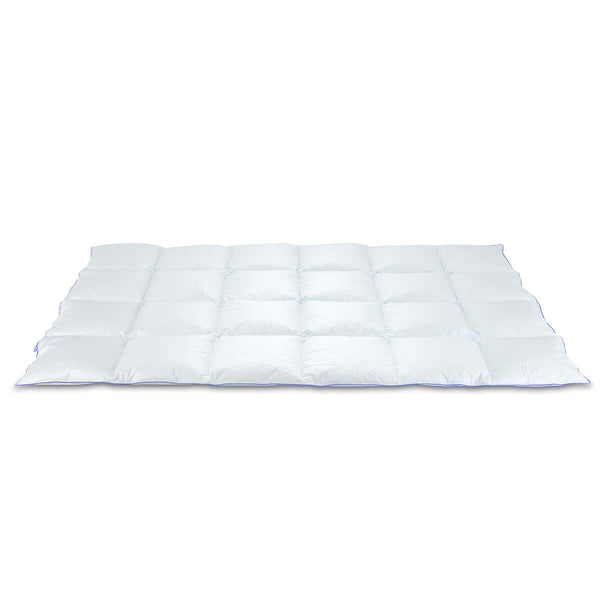
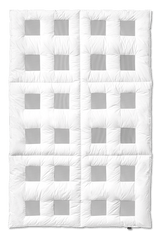
The duvet is divided into many rectangular compartments, the baffle boxes. This keeps the down evenly distributed. Baffle boxes with baffles are particularly common for warm winter duvets.
See Down class.
Areas in some duvets that are filled with a fiber instead of down, e.g. 100% polyester in the Climabalance. They are intended to dissipate excess heat and moisture.
Quilting that distributes the down differently depending on the body area. One example is the QUQON De Luxe in the Light warmth class.
The plucking of down and feathers from live animals. At AllesDaune, we exclusively carry manufacturers that exclude live-plucking. More about this in our animal welfare promise.
A very fine, light cotton fabric in plain weave. It is often used for down duvets because it is soft, breathable, and at the same time down-proof.
Densely woven cotton fabric that was specially developed for fillings with feathers. It is typical for pillows.
Cotton fabric in sateen weave, recognizable by fine diagonal lines. It is slightly more robust than batiste and is frequently used for pillows.
The metric yarn number indicates how fine the yarn of a fabric is: The higher the number, the finer the yarn. In our range, it goes from Nm 50 for pillows to Nm 250 for super-fine Mako Batiste.
A label for bedding suitable for dust mite allergy sufferers. Such duvets and pillows have a particularly densely woven yet breathable cover. It acts as a mechanical barrier against mites, completely without chemicals.
A treatment of the cover fabric that, according to the manufacturer, improves moisture absorption and speeds up drying. You can find it, for example, on the Superior and the QUQON Premium.
A sewn-in fabric strip between the top and bottom of a baffle box duvet. It gives the baffle box height, for example 2 cm or 6 cm, and prevents cold bridges.
How firmly a pillow supports the head. It is usually stated as soft, medium, or firm and depends mainly on the feather content and the fill amount.
Classification of down duvets according to their warmth: Light, Medium, Warm, and Extra Warm. Which one is right for you is explained in the article Warmth classes simply explained.
Goose that is kept with daily exercise on pasture. The quality label "Austrian Pasture Goose" stands for down from Austrian small farmers, for example in the Austrian Pasture Goose Down Duvet.
A feather has a hard quill and provides support. Down has no quill, is much lighter, and keeps you warm through its fine barbs. That is why duvets are usually predominantly made of down, while pillows are often made of feathers.
The filling consists of 90% down and 10% feathers by weight. The EN 12934 standard requires that the larger proportion be stated first.
Class 1 stands for new down and feathers from geese and/or ducks with at most 5% other components. It is the highest class for waterfowl according to EN 12934.
Markenqualität von KAUFFMANN, KÜNSEMÜLLER, QUQON und Sleepwell – bis zu 60 % unter der Hersteller-UVP, mit 101 Nächten Geld-zurück-Garantie.

For winter, the Warm warmth rating is usually suitable. In very cool bedrooms below around 15°C or if you get chilly easily,...
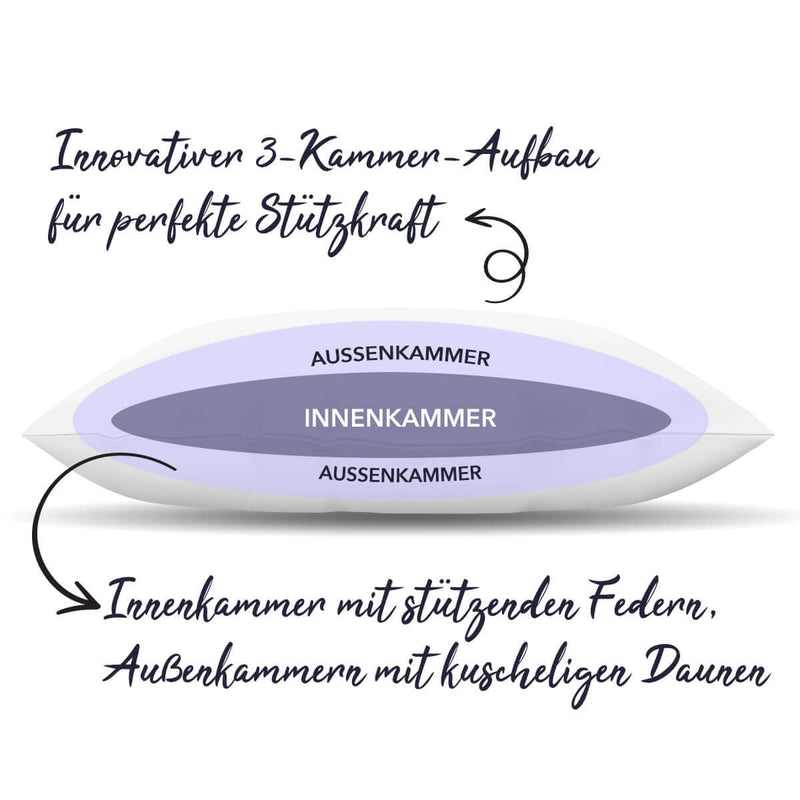
A 3-chamber pillow has three stacked chambers. In the middle, a core of springs supports the head, while the two outer chambers...
 Grundlagen-Ratgeber
Down requires little maintenance. Fluff it daily, air it out regularly, and wash it only when necessary. Before washing, always follow the...
Heat rating, strength, budget – get a personal recommendation in just three clicks. Exactly how we would advise you over the phone.
Lieber persönlich? +43 720 30 12 30 · Mo–Do 9–17 Uhr, Fr 9–14 Uhr
Wir führen dich zum passenden Produkt.
Daraus ergibt sich die passende Wärmeklasse.
Die Schlafposition bestimmt Höhe und Festigkeit.
Alle drei Stufen sind Markenqualität – der Unterschied liegt in Daune, Hülle und Verarbeitung.
Cozy feather and down duvet with cotton cover – OEKO-TEX® tested, made in Germany. Only a few left at the outlet price.
Nur noch 14 Stück auf Lager
: invalid url input -->)